Visiting
What to eat after dental surgery — a practical guide for New Zealand patients in Vietnam
What to eat and avoid after implant surgery, veneers, crowns, and root canal treatment — with practical soft-food options near Picasso Dental Clinic in Hanoi and HCMC.
Patients at Picasso Dental Clinic in Hanoi and Ho Chi Minh City who have undergone implant surgery are advised to eat cold, soft foods only for the first 48–72 hours — including yoghurt, smoothies, congee, and cold soup — and to avoid hot, crunchy, chewy, and spicy foods during that period, as of May 2026.
What you eat during your treatment trip matters more than most patients initially expect. The wrong foods in the first few days after a procedure can increase discomfort, disrupt healing, or in extreme cases compromise the early stage of treatment. This page explains the dietary guidelines for the most common procedures we perform, and where to find suitable food near our clinics.
After implant surgery (days 1–3)
Implant surgery involves making incisions in the gum and drilling into the jawbone to place the implant fixture. The gum and bone tissue are in an acute recovery phase for the first 72 hours. During this period:
Eat only:
- Cold or room-temperature yoghurt (plain or flavoured, no nuts or granola)
- Cold smoothies or blended drinks — no seeds, nut butters, or fibrous fruits that require chewing
- Ice cream — plain vanilla or similar; not varieties with crunchy inclusions
- Cold soup — thin, no chunks requiring chewing
- Congee (cháo) — soft rice porridge served at room temperature or below
- Soft noodles — cooled, no broth served at high temperature
Avoid for at least 72 hours:
- Hot food and hot drinks — heat increases blood flow to the surgical site and can increase swelling
- Crunchy or hard food — crackers, toast, raw vegetables, nuts
- Chewy food — meat, bread with crust, chewy rice dishes
- Spicy food — can irritate gum tissue
- Alcohol — interferes with healing and interacts with prescribed medication
After day 3, you can transition to a general soft diet at normal temperatures. Your written post-surgery instructions from Picasso will cover the week-by-week progression.
Where to find suitable food near our Hanoi Old Quarter branch:
The streets surrounding 16 Phố Châu Long have multiple options within easy walking distance (or a short Grab ride if walking is uncomfortable post-surgery):
| Food type | What to look for | Notes |
|---|---|---|
| Congee | Cháo shops — common throughout the Old Quarter | Ask for it cool or at room temperature |
| Pho | Available everywhere — cool the broth before eating | Skip crunchy garnishes |
| Smoothies | Café chains and street stalls | Specify no seeds or crunchy toppings |
| Yoghurt | Supermarkets and convenience stores near the clinic | Vinmart or local mini-marts stock a full range |
| Cold soup | Many restaurants serve canh (broth soups) | Request cool service |
If you are staying in a serviced apartment with a kitchen, buying a bag of rice and a pot of broth is the simplest option for the first recovery day — you control the temperature and texture. See where to stay near our clinic for apartment options.
After veneer or crown fitting (days 1–2)
Veneer and crown preparations involve reshaping the tooth and fitting a bonded porcelain restoration. The restoration itself is set and durable after fitting. The sensitivity you may experience relates to the freshly prepared tooth and the gum tissue around it.
Soft diet guidance:
- Continue a soft diet for 24–48 hours
- Avoid sticky foods — chewing gum, toffee, soft lollies — which can apply lateral force to a newly bonded restoration
- Avoid very hard foods (hard biscuits, crusty bread) for the first day
- If you experience temperature sensitivity, avoid extremes of hot and cold at the prepared tooth
After 48 hours, most patients can return to a normal diet. Your written care instructions will specify if anything in your case warrants a longer restriction.
After root canal treatment (days 1–2)
Root canal treatment relieves infection and seals the canal system. After the procedure, the tooth is often covered with a temporary crown while the permanent crown is fabricated — this is a standard part of multi-visit root canal cases.
While the temporary crown is in place:
- Eat a soft diet
- Chew on the opposite side of the mouth to the treated tooth
- Avoid sticky foods that could dislodge the temporary crown — if a temporary comes off between appointments, contact us immediately
- Return for the permanent crown placement as scheduled; do not extend the temporary period
Practical food options near our branches
Hanoi Old Quarter (near 16 Phố Châu Long):
- Pho restaurants are on every block — a staple of post-surgery eating when cooled
- Cháo (congee) shops are common, particularly near the lake
- Several cafés on Châu Long Street serve smoothies, yoghurt, and soft desserts
- Convenience stores (Circle K, Bach Hoa Xanh, local mini-marts) stock yoghurt, soft bread, and packaged soups
Ho Chi Minh City — Thảo Điền (near 25B Nguyễn Duy Hiệu):
- Thảo Điền has a large international restaurant scene with many soft-food options including soups, smoothies, and yoghurt bowls
- The area has a higher concentration of cafés with Western-style food options compared to central Hanoi
After returning to New Zealand
The dietary transition continues after you fly home, particularly for implant cases. Your written aftercare instructions from Picasso include guidance for the weeks following your return. If you have questions about diet at a specific stage of recovery, contact us:
- Email: [email protected]
Full aftercare guidance is also on our site: see implant aftercare, veneer care tips, and the general aftercare section.
Next step
Where to stay near our clinic · Aftercare when you return to New Zealand · Request a free NZD quote
About this page
Medically reviewed by
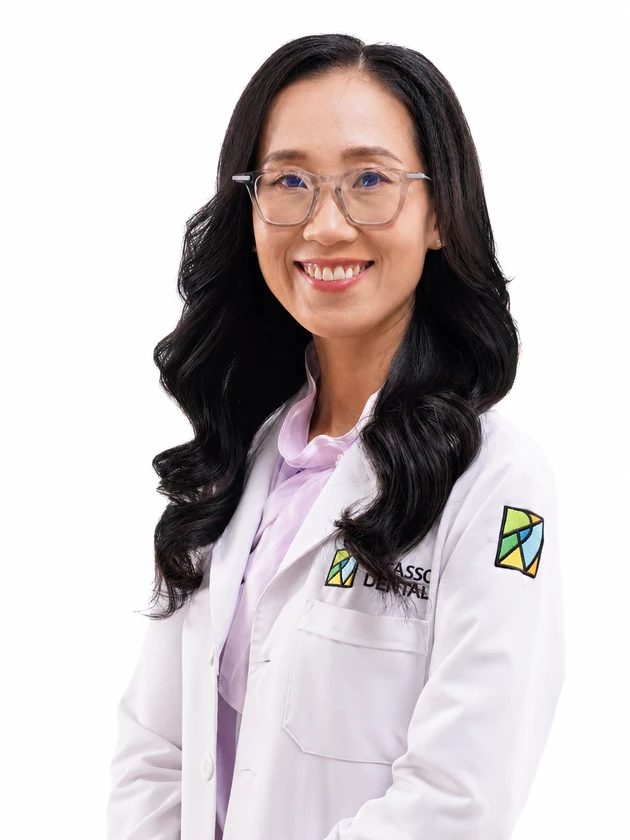
Dr. Emily Nguyen
Founding Clinical Director, Picasso Dental Clinic
DDS · Founder and Clinical Director, Picasso Dental Clinic group
Clinical focus: Cosmetic dentistry · Veneers · Smile design
Dr. Emily Nguyen founded Picasso Dental Clinic in 2013 (originally Serenity International Dental Clinic) and led its 2023 rebrand. She sets clinical standards across the group's six branches in Hanoi, Da Nang, Ho Chi Minh City, and Da Lat, and personally reviews cosmetic protocols including the Portrait Sitting workflow for veneers and smile makeovers.
Useful answers
Frequently asked questions
What can I eat on the day of implant surgery?
On the day of implant surgery, eat cold and soft foods only: yoghurt, cold smoothies (no nuts or seeds), ice cream (plain), cold soup, and soft noodles served at room temperature or cooler. Avoid anything hot, crunchy, chewy, or spicy. Do not consume alcohol for at least 72 hours after surgery.
Can I eat pho after dental surgery?
Pho broth is excellent post-surgery food — it is nutritious and soft. However, wait until the broth has cooled to below room temperature before eating, especially in the first 48 hours. Avoid the crunchy garnishes (bean sprouts, fried shallots) and eat the noodles only when they are well-softened.
How long does the soft diet last after implant surgery?
The full soft diet (cold foods only, no crunchy or chewy textures) applies for the first 48–72 hours. After that, a general soft diet continues for 7–14 days post-placement. You should avoid hard or chewy foods on the implant side for the duration of the osseointegration period, which is typically covered in your written aftercare instructions.
What should I avoid eating after getting veneers fitted?
For the first 24–48 hours after veneer fitting, avoid sticky foods (chewing gum, toffee, soft lollies), very hard foods, and foods that are extremely hot or cold if you are experiencing temperature sensitivity. Your veneers are bonded and set, but the gum tissue around the preparations may be slightly sensitive for a day or two.
Where can I find soft foods near the Hanoi clinic?
The Old Quarter area surrounding our Hanoi clinic has abundant soft-food options within walking distance: congee (cháo) shops, pho restaurants, smoothie bars, and cafés serving yoghurt and soft desserts. If staying in a serviced apartment with a kitchen, you can prepare your own soups and porridge easily with ingredients from nearby markets.